
Welcome to Derby EMDR Hub – Treatment for PTSD, Trauma, Anxiety & More
Have you experienced a traumatic life event and need help moving past it? Do certain situations trigger intense emotions or bring up memories you’d rather forget? Do you struggle with anxiety or avoid people and places without knowing why? These may be signs of unresolved trauma. EMDR (Eye-Movement Desensitisation & Reprocessing) Therapy helps you resolve trauma at its root – reducing symptoms, lifting emotional weight, and creating lasting change that extends beyond the therapy room.




Hi, I’m Lydia…
Welcome to Derby EMDR Hub. I’m Dr. Lydia Evans a HCPC-registered Forensic and Chartered Psychologist offering private EMDR services in Derby. I have over 10 years of experience helping people process trauma and make meaningful, lasting changes in their lives. I’ve worked in prisons, hospitals and community services and I’m now offering my EMDR Services to those in Derby who need help moving past difficult memories.
What Is EMDR Therapy Used For?
EMDR therapy is a flexible and supportive approach that’s been shown as effective trauma and PTSD treatment. It’s also becoming more widely used for challenges like:
- Anxiety & Panic Disorders
- Depression
- Grief & Loss
- Bullying or Childhood Neglect
- Phobias
- Abusive Relationships

Like a hand rising from water, this gentle process helps you emerge from emotional overwhelm – clearer, calmer, and more in control.
What Can I Expect From EMDR Therapy?
Lasting Change
EMDR promotes profound and lasting transformation by helping clients process emotional wounds, empowering them to sustain their growth and maintain meaningful progress well beyond therapy.
Improved Well-Being
Addressing the root causes of distress leads to greater emotional stability and resilience. Clients often feel lighter, as if a weight has lifted, and experience a sense of peace or calm. Negative self-beliefs also begin to shift.
Reduced Symptoms
PTSD, anxiety, panic attacks, and nightmares can reduce or go away entirely through EMDR Therapy. Our body can hold the memory of trauma so there can be a physical relief of symptoms e.g. reduced tension & physical pain.
Resolution of Trauma
EMDR facilitates the brain’s natural healing process by helping clients safely process and integrate distressing experiences, leading to lasting emotional relief and improved overall well-being.
Are you stuck in the past? Ready to reclaim your peace? It’s time to look forward to the future with Derby EMDR Hub.
How Does EMDR Therapy Work?
EMDR therapy works by helping your brain reprocess distressing memories so they no longer feel overwhelming or stuck. Using gentle techniques like eye movements or tapping – known as bilateral stimulation – your mind gets a chance to heal in a natural, supported way. You’re fully awake and in control throughout the process, and you don’t have to share every detail of what happened. EMDR helps shift how past experiences affect you today, creating space for relief, clarity, and meaningful change. It’s a powerful, compassionate approach that meets you where you are.




About Derby EMDR Hub
Hey! I’m Dr. Lydia Evans, a HCPC-registered Forensic and Chartered Psychologist offering private psychological therapy in Derby. With over a decade of experience in settings such as prisons, hospitals, and community services, I’m trained in CBT, DBT, EMDR, and ACT. As an qualified EMDR therapist, I specialise in trauma therapy and work with a wide range of emotional and psychological difficulties. My approach is compassionate and tailored, creating a safe, non-judgmental space where you can explore your experiences and begin to heal at your own pace. Whether you’re coping with the impact of a single event or the weight of long-term emotional pain, we’ll work together to make sense of your story and take meaningful steps forward.
What is EMDR Therapy?
EMDR (Eye Movement Desensitisation and Reprocessing) is a proven therapy that helps people work through trauma and difficult experiences. It uses guided eye movements or other gentle techniques to help your brain reprocess painful memories, so they feel less overwhelming. EMDR is especially helpful for things like PTSD, anxiety, or low self-esteem, and many people find it brings real, lasting relief.
Does EMDR Therapy work?
Yes, EMDR therapy is proven to work and is officially recommended in the UK for treating trauma. The National Institute for Health and Care Excellence (NICE) lists EMDR as a first-line treatment for PTSD in both adults and children, and it’s also offered by the NHS. Backed by strong clinical evidence, EMDR helps people process distressing experiences in a safe, structured way – often leading to lasting relief from symptoms like anxiety, flashbacks, or low self-esteem. Everyone’s experience is different, but many find EMDR to be a powerful tool for healing at their own pace.
What is EMDR Therapy used for?
EMDR therapy is most commonly used to treat post-traumatic stress disorder (PTSD), but it’s also effective for a wide range of other issues. These include anxiety, depression, panic attacks, phobias, grief, low self-esteem, and the emotional effects of abuse, neglect, or difficult life experiences. It’s particularly helpful when past events continue to affect your present-day thoughts, feelings, or behaviours. By helping the brain reprocess these memories, EMDR can reduce emotional distress and support long-term healing.
What does EMDR Therapy feel like?
EMDR therapy feels different for everyone, but many describe it as a gentle and focused process. You’ll work with your therapist to bring up a difficult memory in a safe way, while following a pattern of eye movements, taps, or sounds that help your brain process the experience. You stay fully in control and aware the whole time—there’s no hypnosis or forced reliving. Some people feel emotional or tired afterward, while others feel lighter, calmer, or even surprised by how much shifted in just one session. Over time, the memory loses its emotional charge, and you may notice more clarity, ease, and resilience in your day-to-day life.
How long is an EMDR Therapy session?
An EMDR Therapy session with Derby EMDR Hub typically lasts one hour.
What qualifications are needed to give EMDR Therapy in the UK?
To practise EMDR therapy in the UK, you must first be a qualified mental health professional – such as a clinical psychologist, counsellor, psychotherapist, or psychiatrist – registered with a recognised professional body (e.g., HCPC, BACP, UKCP, or GMC). From there, you must complete specialist EMDR training approved by EMDR Europe, typically delivered in several levels or parts. After training, therapists can become accredited by EMDR UK, which ensures they meet high standards of practice and ongoing professional development.
Where do you deliver EMDR Therapy?
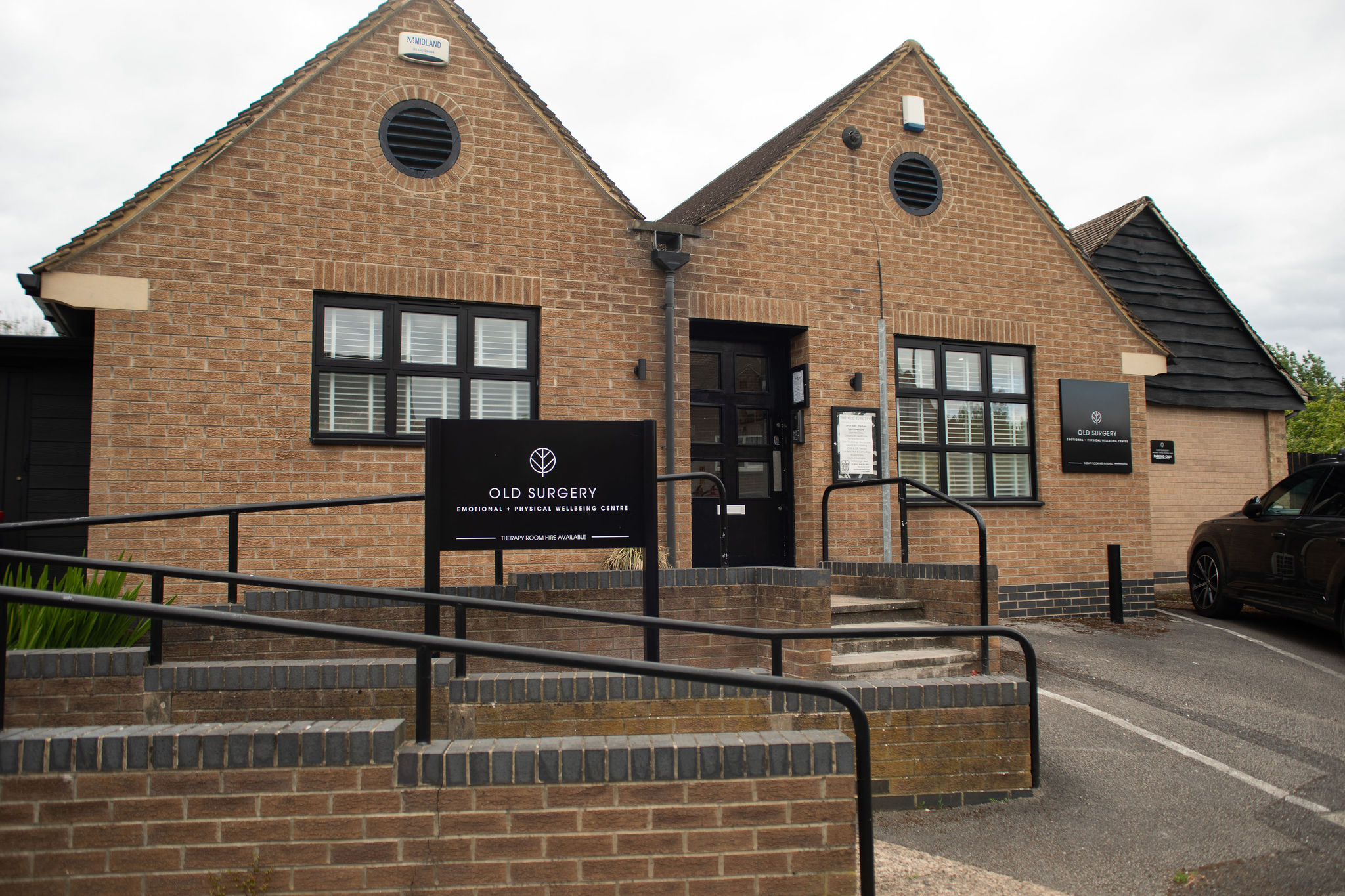
Derby EMDR Hub is located at The Old Surgery in Derby – a calm, professional setting designed to help you feel at ease from the moment you arrive. Our clinic offers a safe and welcoming environment where your comfort is our top priority. We understand that starting therapy can feel like a big step, so we’ve created a space that’s quiet, private, and supportive – so you can focus fully on your healing journey with confidence and peace of mind.
Can you heal from PTSD or trauma through EMDR Therapy?
Yes – many people experience significant healing from PTSD and trauma through EMDR therapy. It’s a proven, evidence-based approach that helps your brain reprocess distressing memories so they no longer feel as overwhelming or intrusive. While healing looks different for everyone, EMDR often leads to real and lasting relief from symptoms like flashbacks, anxiety, hyper-vigilance, and emotional numbness. With the right support, people often find they can move forward with more clarity, calm, and confidence.
What are the benefits of EMDR Therapy compared to other therapies?
One of the benefits with EMDR is that the process can be quicker and gentler than standard psychotherapy, without you having to talk about or dwell on the traumatic memory. You can choose to hold a memory in mind rather than talking about it in detail. Eye Movement Desensitisation and Reprocessing (EMDR) is recognised by the World Health Organisation (WHO) and the National Institute of Clinical Excellence (NICE) UK as a treatment for PTSD, trauma and emotional distress.
Where can I find more information on EMDR Therapy?
If you’re looking for further information, you can head to the EMDR UK Association. You can also watch these videos on YouTube for a deeper insight into EMDR Therapy:
1)https://www.youtube.com/watch?v=Pkfln-ZtWeY
2)https://www.youtube.com/watch?v=bIJZQAr9nQo
About The Old Surgery
Derby EMDR Hub are based at The Old Surgery, a modern, purpose-built clinic designed for therapies and other wellbeing services. The address is The Old Surgery, 5 Tufnell Gardens, Derby, DE22 4DY. There is free parking on-site, as well as disabled access, free wifi, and air-con, making sure all those who visit are as comfortable as possible.


 derbyemdrhub.co.uk